Magnetically Controlled Growing Rods (MCGR) for Scoliosis: Growth-Friendly Curve Control in Dubai
Early-onset Scoliosis (EOS) occurs in young children whose spines are still growing. Since growth is ongoing, treatment must achieve two objectives simultaneously: Control the Spinal Curve and Support Healthy Development of the Spine and Chest.
Magnetically Controlled Growing Rods (MCGR) are a modern, growth-friendly surgical option for selected children with progressive scoliosis. MCGR systems use implantable rods that can be gradually lengthened with an external magnetic controller, often reducing the need for multiple surgical lengthening procedures.
When is MCGR Considered?
MCGR (Magnetically Controlled Growing Rods) is typically considered for Children with Scoliosis who are still growing and whose spinal curve is worsening despite non-surgical treatment. The aim is to manage the curve while allowing the spine and thorax to continue developing.
Your specialist may consider MCGR in the following situations:
- Progressive early-onset scoliosis in a child who has significant growth remaining
- Curves that continue to worsen despite the use of bracing or casting
- Curve patterns that require ongoing management over several years of growth
- Cases of neuromuscular, syndromic, or congenital scoliosis where growth-friendly strategies are appropriate
- Situations where minimizing the need for repeated surgical lengthening procedures is a priority
Not every child qualifies for MCGR treatment. Factors such as curve type, flexibility, age, underlying diagnosis, bone quality, and overall health can all influence whether MCGR is the most appropriate approach.
MCGR vs. Traditional Growing Rods: What’s the Difference?
Traditional growing rods have long been a reliable option for managing early-onset scoliosis by promoting growth and maintaining spinal alignment. As a child grows, these rods are adjusted at scheduled intervals, following a structured treatment plan devised by a specialist team.
In contrast, MCGR (Magnetic Controlled Growing Rods) aims to achieve the same goal of growth-friendly curve control but offers the additional advantage of being lengthened using an external magnetic controller, often during outpatient visits. This method allows for controlled, gradual adjustments while ensuring ongoing close monitoring.
As with any growth-guided approach, treatment with MCGR is carefully overseen over time, and the long-term strategy may include definitive care once the child’s growth is nearing completion, tailored to each individual case.
How Do Magnetically Controlled Growing Rods Work?
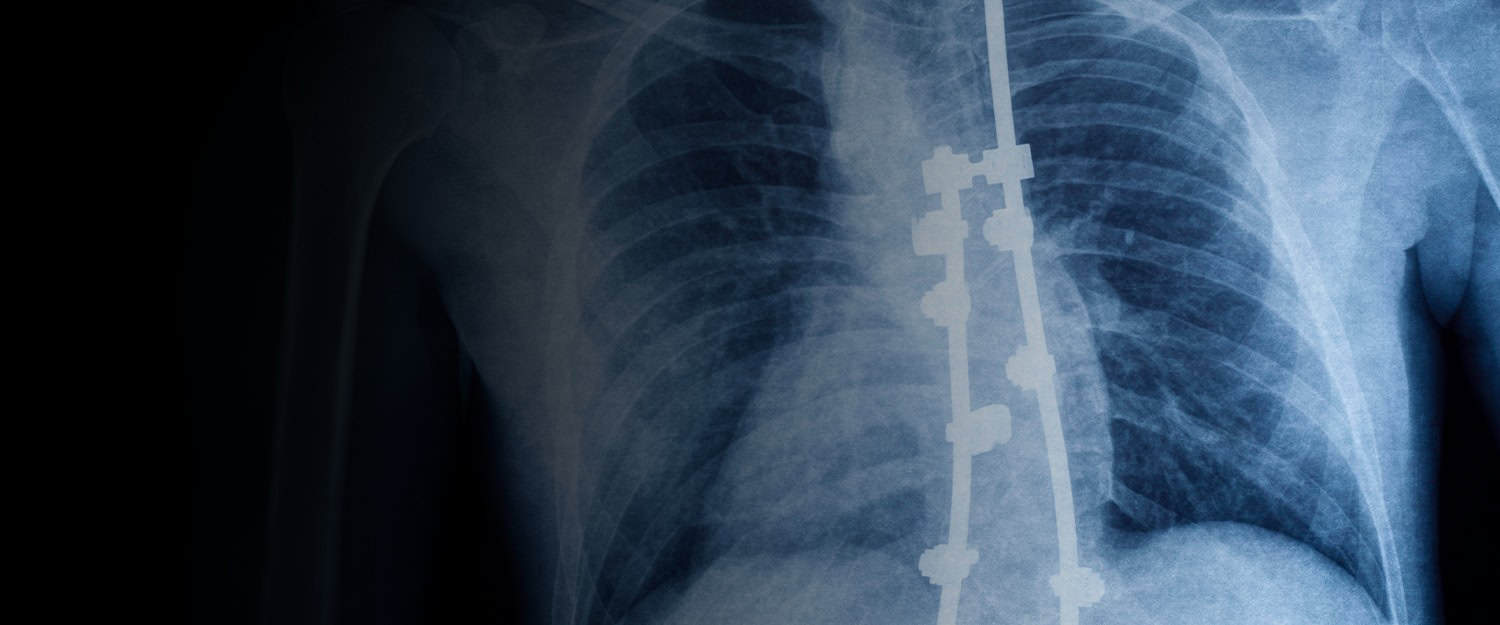
Magnetically Controlled Growing Rod (MCGR) systems are implanted along the spine to help guide alignment as a child grows. These rods function as internal supports, assisting in the control of curve progression and maintaining balance.
A key feature of MCGR is the ability to gradually lengthen the rods without the need for surgical incisions. This is accomplished using a magnetic controller placed on the skin above the implant.
The goals of MCGR treatment are to:
- Control Curve Progression during Growth Years
- Support Spinal and Thoracic Development
- Maintain Overall Spinal Balance and Posture
- Reduce the need for repeated surgical lengthening in selected cases
The MCGR Treatment Journey
The MCGR (Magnetically Controlled Growing Rod) treatment is not just a single procedure; it is a comprehensive growth-phase treatment plan. The journey typically involves the following steps:
- Pre-Operative Evaluation and Imaging: This includes standing X-rays and, when necessary, MRI or CT scans to assess the patient’s condition.
- Surgery: The procedure involves the implantation of rods and anchors to support the spine.
- Scheduled Non-invasive Lengthening Visit: Regular follow-ups where lengthening of the rods is performed non-invasively over time.
- Ongoing Monitoring: Continuous assessment of spinal alignment, growth, and the performance of the implants to ensure successful outcomes.
- Transition Plan: A strategy for definitive management as the patient approaches the end of their growth phase.
What Happens During Surgery?
MCGR implantation is typically conducted under general anesthesia. The surgical approach is tailored to the specific type of spinal curve and the child’s anatomical needs. Generally, the procedure includes:
- Placement of anchors (such as screws or hooks) at designated spinal levels.
- Attachment of Magnetically Controlled Rods to Stabilize the Spine.
- Initial Correction of Spinal Curvature to enhance Alignment and Balance.
- Implementation of safety measures, such as Neuromonitoring, throughout the procedure.
How Are MCGR Lengthening’s Done?
After the initial recovery period, the rods can be gradually lengthened using an external magnetic controller. The lengthening process typically includes:
- Being performed during clinic or outpatient visits
- Being non-invasive (no incisions required)
- Being planned in small increments to ensure comfort and accommodate growth
- Being monitored through follow-up imaging and clinical assessments
The frequency and amount of lengthening depend on the child’s growth rate, curve behavior, comfort level, and the preference of the specialist.
Benefits of MCGR for Scoliosis
For appropriate candidates, MCGR may offer several advantages:
- A growth-friendly approach for young children with scoliosis
- A reduced need for repeated surgical lengthening compared to traditional growing rods
- Ongoing control of the spinal curve during growth years
- Potentially less overall disruption for families due to outpatient lengthening procedures
- Support for spinal balance and chest development throughout growth
Recovery and Follow-Up: What to Expect
Recovery after the initial implantation surgery can vary based on the child’s age, the severity of the curve, and any underlying conditions. Generally, families can expect:
- A hospital stay for monitoring and early mobilization
- A structured pain management plan with a gradual increase in activity
- Post-operative follow-up visits, including imaging to assess alignment and healing
- Scheduled outpatient lengthening appointments over time
- Ongoing monitoring for growth, posture, and implant performance
Since MCGR is a long-term growth-phase strategy, regular follow-up with Scoliosis Specialist is important to maintain safety and effectiveness.
Who Might Be a Candidate for MCGR in Dubai, UAE?
Magnetically Controlled Growing Rods (MCGR) may be considered for Children with Spinal Deformity who are seeking Scoliosis Treatment in Dubai, including families traveling to the UAE for specialized Scoliosis Care, if they meet the following criteria
- They have early-onset scoliosis with significant growth potential remaining.
- They have progressive spinal curves that are not effectively managed by bracing or casting.
- They require long-term management of spinal curvature during their growth years.
- They need a growth-friendly treatment option that involves fewer surgical lengthening procedures in select cases.
A Comprehensive Scoliosis Assessment encompassing imaging, growth evaluation, and diagnosis is necessary to determine eligibility for this treatment.
Conclusion
MCGR represents an advanced, growth-friendly solution for certain children with progressive early-onset scoliosis. With the ability to perform gradual, non-invasive lengthening during follow-up visits, MCGR may reduce the need for repeated surgical interventions while aiding in curve management throughout growth.
At Adam Vital Hospital’s Complex Spine & Scoliosis Center in Al Garhoud, Dubai, we take an individualized approach. Our focus is on each child’s curve type, growth potential, diagnosis, and long-term goals, ensuring careful follow-up and family-centered care.