Scoliosis is a condition characterized by a sideways curvature of the spine that often resembles an “S” or “C” shape. While mild curves can usually be managed through observation, physiotherapy, or bracing, some cases especially Complex Scoliosis may progress and necessitate surgical intervention.
Spinal Fusion Surgery, most commonly performed as Posterior Spinal Fusion (PSF), is the most established surgical option for moderate to Severe Scoliosis. The primary goal of this procedure is to correct and stabilize the spinal curve, thereby reducing the risk of further progression over time.
When is Spinal Fusion Considered?
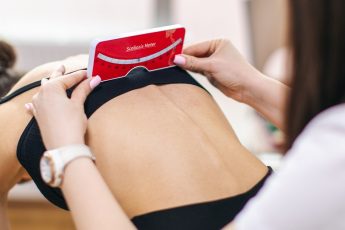
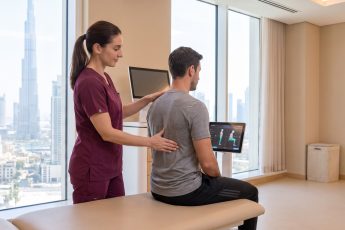
Not every patient requires spinal fusion. The decision is based on factors such as the type of curve, its flexibility, the patient’s age, spinal balance, and symptoms. This is why a thorough evaluation by a Scoliosis Specialist like Dr. med. Ziad Aljian is important.
Common factors that specialists may take into account include:
- Moderate to severe curves, often around 45–50° or higher in many adolescent cases, depending on individual assessment.
- Curve progression despite the use of a brace or poor tolerance of bracing.
- Trunk imbalance or significant cosmetic or structural deformity.
- Adult scoliosis accompanied by persistent pain, progression, or instability.
- Complex or rigid curves that require long-term stabilization.
Not every patient requires spinal fusion. The decision is based on factors such as the type of curve, its flexibility, the patient’s age, spinal balance, and symptoms. This is why a thorough evaluation by a Scoliosis Specialist is important.
Spinal Fusion vs. VBT: What’s the Difference?
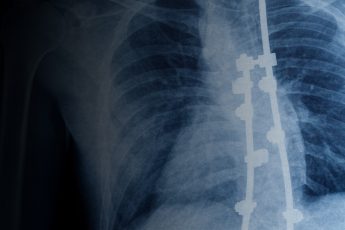
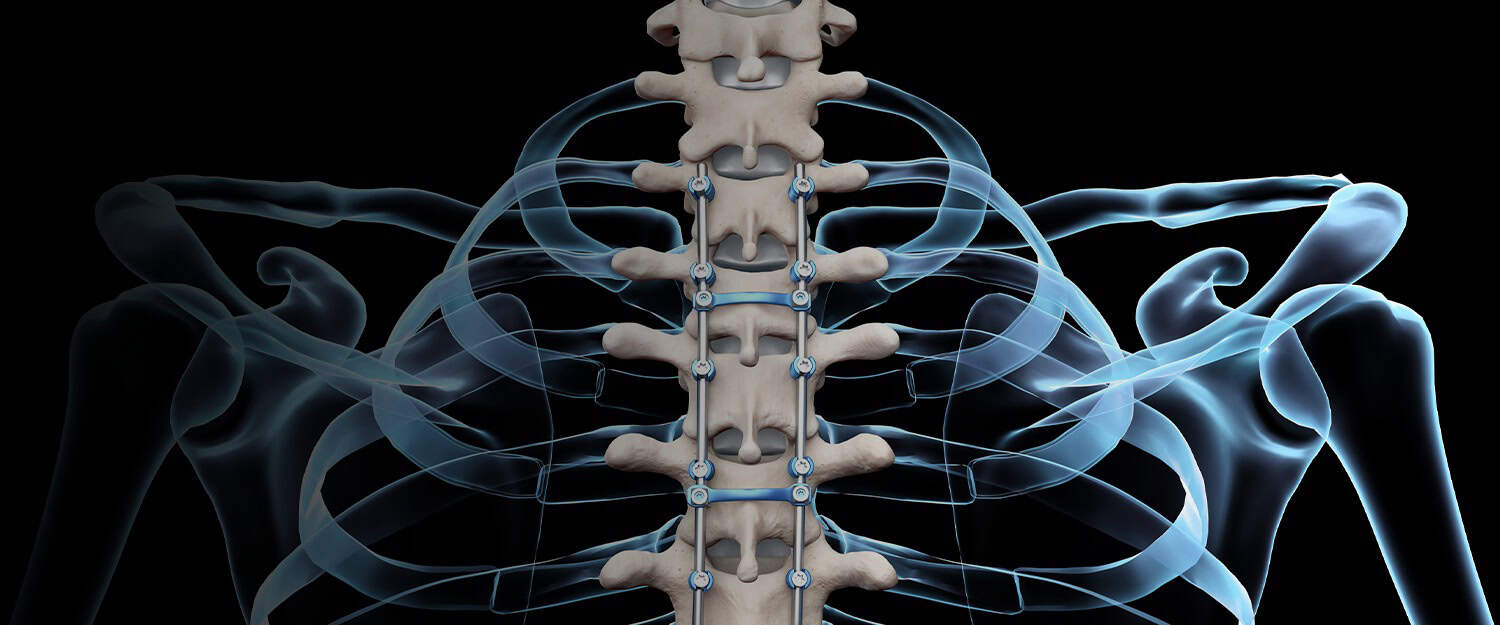
Posterior Spinal Fusion (PSF) is a surgical procedure designed to correct and stabilize the spine. It utilizes screws and rods, along with bone grafts, to help the treated vertebrae gradually unite into a single solid segment. This process helps prevent further deterioration in the fused area of the spine.
On the other hand, Vertebral Body Tethering (VBT) is a non-fusion technique intended for carefully selected growing patients. This method uses screws and a flexible tether placed along the side of the spinal curve. The tether applies controlled tension to guide the correction, with the goal of maintaining more motion compared to spinal fusion in select cases.
Fusion remains the standard treatment option for many moderate-to-severe, rigid, or complex scoliosis cases.
How Does Spinal Fusion Work?
Spinal Fusion for Scoliosis has three main objectives:
- Repositioning the spine to improve alignment and balance.
- Stabilizing the correction using implants, such as rods and screws.
- Fusing selected vertebrae to reduce the likelihood of curve progression in those areas.
During the procedure, a bone graft is placed in the area intended for fusion. Over time, the bone heals and creates a solid bridge between the vertebrae. While the fused levels become immobile after healing, the remaining unfused sections of the spine maintain movement, allowing many patients to return to their normal daily activities following recovery.
The Spinal Fusion Surgical Process
Before surgery, your specialist will typically request standing X-rays, and in some cases, MRI or CT imaging, to confirm the pattern of the curve, assess flexibility, and develop the safest correction strategy. Pre-operative planning may also include obtaining medical clearance, conducting lab tests, and assessing anesthesia requirements.
During Posterior Spinal Fusion (PSF):
- A posterior (back) approach is utilized.
- Pedicle screws are inserted into selected vertebrae.
- Rods are attached to correct and stabilize the spinal curve.
- Bone graft is applied to support the fusion process.
- Neuromonitoring is commonly used to enhance safety during the correction procedure.
Recovery After Spinal Fusion: What to Expect
Recovery varies based on the patient’s age, severity of the curve, number of vertebrae fused, and overall health. Generally, the recovery process includes:
- A monitored hospital stay with early mobilization.
- A gradual return to daily activities under medical guidance.
- Follow-up visits and repeat imaging to monitor healing and alignment.
- A structured plan for returning to school and work.
- Resuming sports or high-impact activities only after receiving clearance from the surgeon, which may take several months.
Long-term follow-up is essential to ensure that the spinal fusion is healing well and that the spine remains properly aligned.
Benefits of Spinal Fusion for Scoliosis
For suitable candidates, spinal fusion can provide several advantages, including:
- Strong, long-term stability of the corrected spine
- Reduced risk of future progression at the fused levels
- Improved posture and spinal balance
- Potential relief from discomfort related to deformity and improvement in functional limitations
- A proven and reliable option for severe, rigid, or complex spinal curves
Your specialist will explain realistic expectations regarding the degree of correction, the recovery timeline, and potential changes in mobility.
Who Should Consider Spinal Fusion in Dubai, UAE?
If you are in Dubai or traveling to the UAE for Scoliosis Treatment, spinal fusion may be appropriate for:
- Adolescents with moderate to severe scoliosis that is progressing
- Patients who have not succeeded with bracing or cannot tolerate wearing a brace
- Adults experiencing symptoms from scoliosis, along with progression or imbalance
- Patients with complex curve patterns that require substantial correction and stability
Conclusion
Spinal Fusion Surgery, specifically Posterior Spinal Fusion, is the most recognized surgical option for treating moderate-to-severe scoliosis. This procedure corrects the spinal curvature and stabilizes the spine, helping to prevent further progression and restore balance for long-term functionality.
At the Complex Spine & Scoliosis Center at Adam Vital Hospital in Al Garhoud, Dubai, our team is dedicated to providing Individualized Evaluations, Advanced Imaging Assessments, and Surgical Planning tailored to each Patient’s Specific Curve Type, Age, and Goals.