Dealing with Adult Scoliosis: Modern Non-Surgical Treatment in Dubai
Adult scoliosis does not always require major spine surgery. In many cases, treatment focuses on reducing pain, improving movement and managing nerve-related symptoms through physiotherapy, medication and targeted pain procedures.
At Adam Vital Hospital, adult scoliosis treatment in Dubai is planned according to the patient’s symptoms, spinal alignment, nerve involvement and daily activity limitations.
Why Does Scoliosis Cause More Pain as We Age?
Adult scoliosis may continue from adolescence or develop later because of age-related wear and tear. When it develops over time, it is often called degenerative scoliosis.
As the spinal discs and joints become worn, the spine may gradually tilt or rotate. This can lead to back pain, stiffness, spinal imbalance or pressure on nearby nerves.
Common symptoms may include:
- Persistent lower-back pain
- Pain while standing or walking
- Leg pain, numbness or tingling
- Reduced walking tolerance
- Uneven posture
- Muscle fatigue
- Difficulty standing upright
Scoliosis back pain in adults is not always caused by the curve alone. It may also result from disc degeneration, arthritic joints, spinal stenosis or nerve compression.
Can Adult Scoliosis Be Treated Without Major Surgery?
In many cases, symptoms can be managed without major surgery.
Non-surgical treatment may help control symptoms and improve daily function, particularly when there is no severe nerve weakness, instability or major spinal imbalance.
Treatment may include:
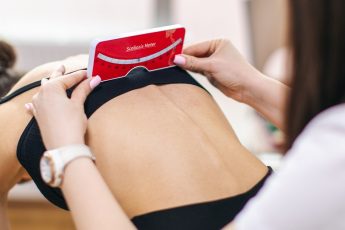
A Thorough Spine Assessment
A clinical assessment and appropriate imaging help identify the source of pain, evaluate spinal alignment and check for nerve compression.
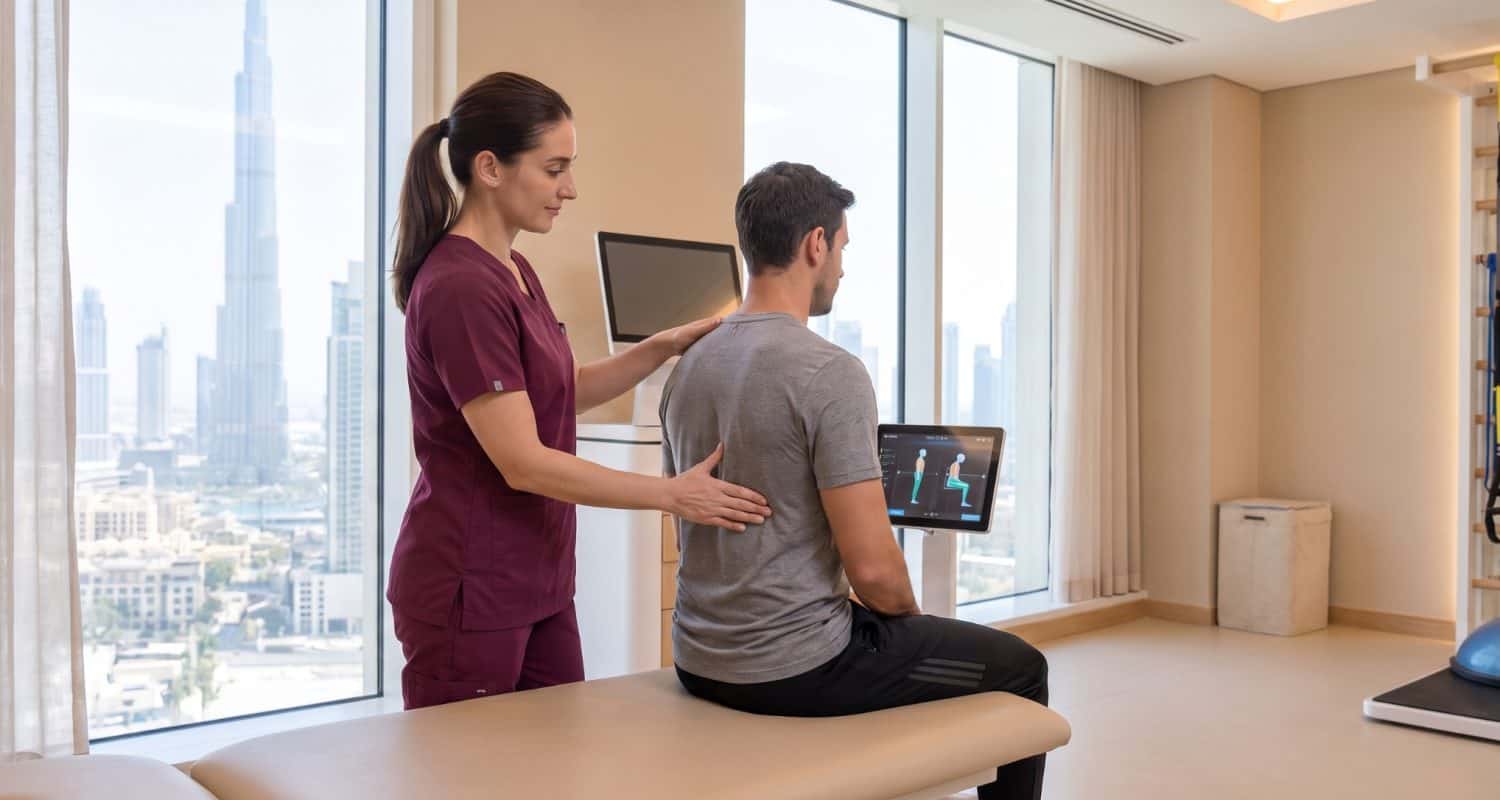
Individualised Physiotherapy
A personalised physiotherapy programme may help improve strength, posture, flexibility, balance and movement.
Medication and Lifestyle Measures
Medication, weight management, regular activity, better movement habits and bone-health management may help reduce symptoms and support long-term spine health.
Interventional Pain Management & Targeted Injections
Interventional pain procedures may be considered when physiotherapy and medication do not provide enough relief.
Depending on the cause of the symptoms, treatment may include:
- Facet joint injections for pain from arthritic spinal joints
- Epidural injections for inflammation around compressed nerves
- Selective nerve-root injections for radiating leg pain
- Diagnostic nerve blocks to identify the source of pain
These procedures aim to reduce pain and inflammation around the affected joint or nerve, they do not correct the scoliosis curve.
When May Surgery Be Considered?
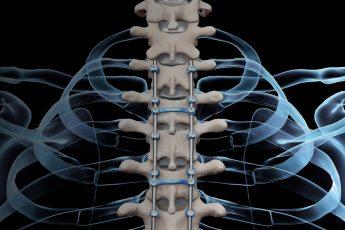
Surgery is generally considered only when appropriate non-surgical treatment and pain management do not provide sufficient relief, or when the condition causes progressive nerve weakness, severe spinal imbalance, worsening deformity or significant difficulty with walking and daily activities.
In selected cases, minimally invasive decompression may be used to relieve pressure on a compressed nerve without performing major scoliosis correction. However, this approach is not suitable for every patient and depends on the stability of the curve, spinal balance and the location of nerve compression.
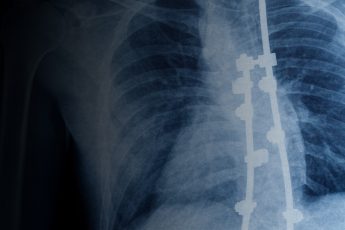
The decision is based on the patient’s symptoms, neurological condition, overall health, bone quality and expected benefits not only on the size of the curve seen on an X-ray.
Adult Scoliosis Treatment with Dr. Ziad Aljian
Dr. med. Ziad Aljian holds German Board Certification in Pain Therapy, which supports his specialised approach to identifying and managing pain associated with adult and degenerative scoliosis. He is also a German Board-Certified Orthopaedic and Spine Surgeon with more than 20 years of experience.
At Adam Vital Hospital in Dubai, he provides personalised treatment ranging from conservative pain management and targeted injections to minimally invasive or complex spine surgery when medically necessary. Each treatment plan is based on the source of pain, spinal alignment, nerve involvement and the condition’s impact on daily life.